Is the MSF or CBT Course Really Enough? What Every New Motorcycle Rider Needs to Know
Learning to ride a motorcycle is thrilling, but it can also be overwhelming—especially when deciding how much formal training you need. The Motorcycle Safety Foundation (MSF) course in the United States and the Compulsory Basic Training (CBT) in Europe are popular starting points. But are these foundational courses enough, or should you seek additional training?
In this detailed guide, I'll share my own experiences, break down the limitations of these courses, and explain why further rider education is vital for every motorcyclist.
Understanding the MSF and CBT Courses
The MSF course in the United States typically spans two days, plus about five hours of online instruction. Similarly, the CBT in Europe offers fundamental riding skills over a short period. These courses are primarily designed to introduce you to basic motorcycle controls, safety checks, and essential handling techniques, allowing you to obtain your motorcycle license.
My Personal Experience with the MSF Course
When I first took the MSF course over five years ago, I found myself feeling confused and underprepared afterward. Although I learned basic motorcycle controls, the class left significant gaps in practical knowledge and skills. It took months of consistent practice, numerous advanced training sessions, and extensive track riding before I felt genuinely confident on the road.
Many new riders echo this sentiment. I consistently receive feedback from riders who remain confused about shifting gears, braking, and maneuvering their bikes safely—even after completing these courses.
Common Issues Riders Face After MSF and CBT Courses
1. Limited Instructor Attention: With typically one or two instructors per group, personalized attention is minimal. Important concepts might not be thoroughly explained, leaving riders unsure about proper techniques.
2. Insufficient Practical Experience: The brief duration of these courses limits real-world application. Riders often finish the courses understanding theory but lacking practical, street-ready skills.
3. Neglect of Real-World Riding Scenarios: These courses focus primarily on basic maneuvers in controlled environments, not on actual street or highway riding. Important topics such as street survival, traffic navigation, advanced cornering, and body positioning are usually overlooked.
The Dangers of Piecing Together Free Content
Many riders turn to YouTube and other online resources to supplement their training. While these platforms offer valuable insights, the fragmented nature of free content can cause confusion. You might jump between different instructors, inadvertently skipping essential foundational lessons or developing poor riding habits due to inconsistent methods or conflicting advice.
This confusion often leads to uncertainty, anxiety, and ultimately increases the risk of accidents on the road.
Why Continuous Rider Education is Essential
The best motorcyclists share a common trait: continuous education and practice. Just like professionals in any industry, ongoing education separates average riders from skilled, safe riders. Beyond basic certification, riders must continue to:
Take advanced riding courses.
Regularly practice emergency maneuvers and slow-speed handling.
Participate in structured riding events, such as mini-moto track days.
Practical Steps to Improve Your Riding Skills
1. Take Additional Advanced Riding Courses
Advanced courses cover real-world scenarios, defensive riding, and refined bike handling skills. These courses help build confidence and safety.
2. Practice Consistently
Consistent practice ensures riding becomes second nature. Regularly rehearse emergency braking, counter-steering, and slow-speed maneuvers.
3. Start with a Manageable Motorcycle
Choose bikes in the 400-500cc range with manageable power (around 40-50 horsepower and under 400 pounds). These motorcycles promote skill development without overwhelming beginners.
4. Attend Mini-Moto Track Days
Small bike track events at karting tracks are excellent for building precise control and handling skills. Riders worldwide, particularly in Europe and the U.S., significantly benefit from these affordable, skill-building events.
Introducing the Motorcycle Mastery Approach
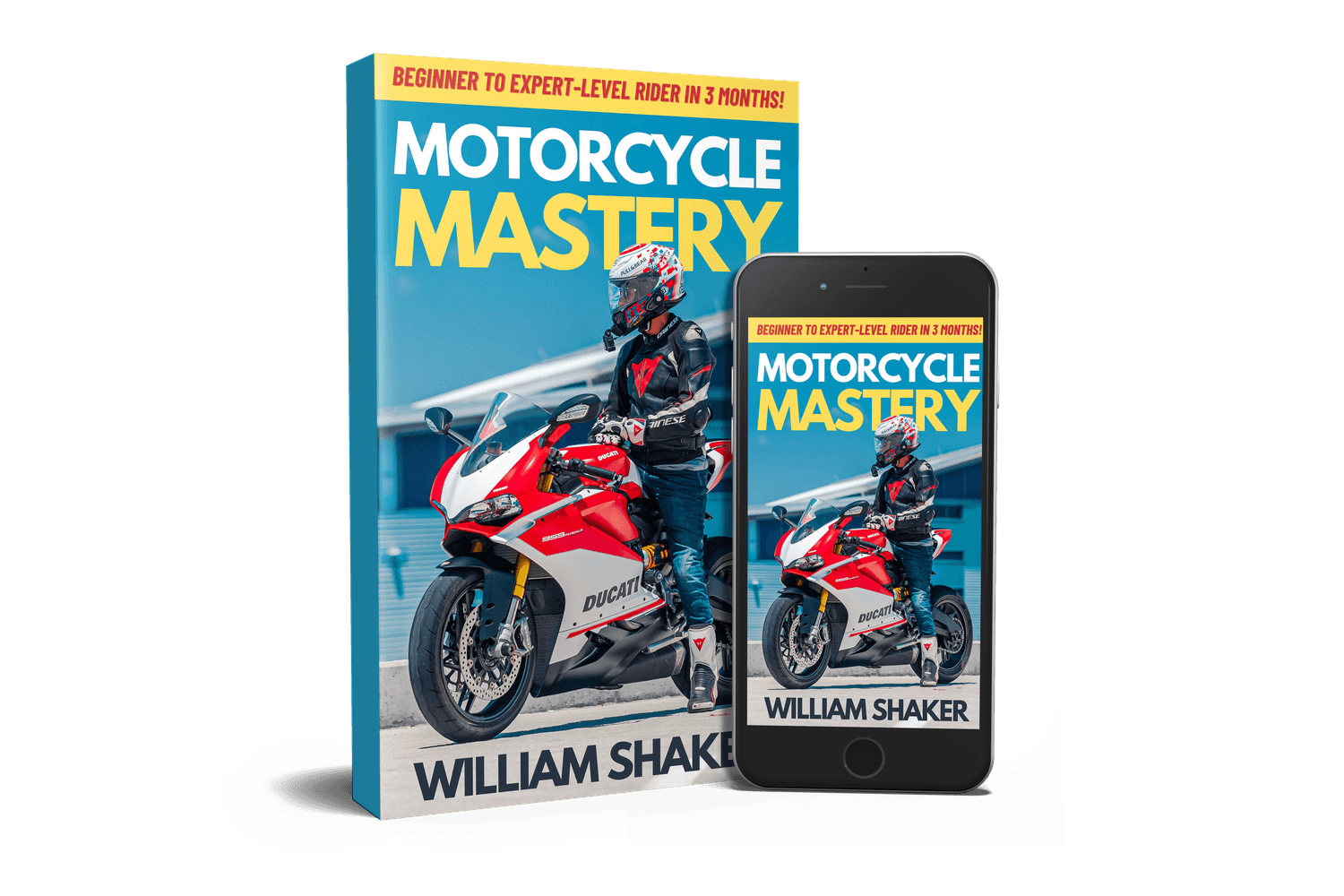
Recognizing these gaps inspired me to create my Motorcycle Mastery Guide and comprehensive online course. Unlike fragmented YouTube tutorials, Motorcycle Mastery offers structured, step-by-step training covering everything from basic motorcycle handling to advanced street and track techniques.
My free Motorcycle Mastery Guide—a 120-page eBook accompanied by a detailed instructional video—has already helped thousands of riders clarify fundamental concepts and safely navigate their riding journey.
Conclusion: The MSF and CBT Courses Are Just the Beginning
While foundational courses like the MSF or CBT are valuable first steps, they're insufficient as standalone solutions for long-term riding safety and competence. Continuous education, consistent practice, and advanced training programs are essential for becoming a skilled, confident, and safe motorcycle rider.
Prioritize ongoing rider education, starting with foundational courses but always seeking additional training opportunities. Your safety, confidence, and enjoyment depend on it.
Ready to accelerate your motorcycle skills further? Download your free copy of the Motorcycle Mastery Guide or explore the comprehensive Motorcycle Mastery Course today.
What has your experience been like with the MSF or CBT course? Share your insights or questions below!

New to Motorcycling? Download This FREE Guide to Ride Confidently in 30 Days or Less!
Learn the exact techniques to ride smoother, safer, and more confidently—whether you’re a new rider or looking to refine your skills.
Ready to Ride with Total Confidence?
ABOUT
Motorcycle Mastery helps new riders build real skills, confidence, and safety on two wheels—on the street and beyond.
SUBSCRIBE
Created with © 2025 PetroHead


