Mastering Engine Braking and Rev Matching: Two Skills That Instantly Make You a Smoother Rider
A lot of riders don’t fully understand how to engine brake or rev match, and that’s a shame—because these two underrated techniques can instantly make your riding smoother, more controlled, and even more enjoyable. Whether you’re navigating city streets or leaning into corners at the track, mastering these skills is essential. Let’s break both of them down and show you how to apply them in real-world riding scenarios.
What Is Engine Braking?
Engine braking is the process of slowing down by rolling off the throttle and letting your engine do the work—instead of depending solely on your brakes. When you close the throttle, the engine cuts fuel delivery, and internal drag creates resistance that naturally slows down the bike.
Benefits of Engine Braking:
Reduces brake pad wear
Improves control during deceleration
Keeps weight more evenly distributed
Minimizes front-end dive from aggressive braking
Myth Busted: Engine braking isn’t bad for your engine. In fact, modern bikes are designed with this function in mind, and many include slipper clutches to smooth out downshifts.
Understanding Engine Braking by Gear
Engine braking changes depending on your gear. Here’s the basic idea:
High Gear (5th/6th): Engine braking effect is minimal. You’ll slow down, but not rapidly.
Mid Gear (3rd/4th): Noticeable deceleration with more drag.
Low Gear (1st/2nd): Maximum engine braking. You’ll feel your bike slow significantly when you roll off the throttle.
This is why, on the racetrack, you often see riders enter corners in lower gears—they’re maximizing engine braking and using less brake input.
Track Tip: Enter corners in the lowest gear that allows smooth throttle roll-on at the exit. This maximizes engine braking without sacrificing acceleration.
What Is Rev Matching?
Rev matching is the technique of blipping the throttle during a downshift to synchronize your engine’s RPM with the lower gear’s RPM.
When you downshift without rev matching, the engine speed and transmission speed may not match, which can cause:
Sudden engine braking or jerky deceleration
Rear wheel chatter or lock-up (especially without a slipper clutch)
Unstable corner entries
With rev matching, everything stays smooth. The engine revs up just enough to match the transmission’s input speed, resulting in a seamless downshift.
How to Rev Match (Step-by-Step):
1. Pull in the clutch.
2. Blip the throttle slightly—rev it just above the current RPM.
3. Downshift while the revs are up.
4. Release the clutch smoothly.
Target RPM:
If you’re riding in 5th gear at 5,000 RPM and want to downshift to 4th, blip the throttle so it hits about 5,300–5,500 RPM, then shift.
Will’s Tip: Time the rev and the downshift close together for the smoothest transition—practice makes perfect.
When to Use These Skills
Real-World Riding:
Use engine braking to slow down without grabbing the brakes aggressively—great for traffic, highway exits, and winding roads.
Use rev matching whenever you downshift at speeds over 25 mph to avoid unsettling the bike.
Track Riding:
Combine both techniques when approaching corners.
Downshift early, rev match to avoid skidding, and use engine braking to reduce speed without hammering the front brakes.
Example in Action:
"I was riding at 85 mph and wanted to slow down for a light. I let off the throttle and shifted from 6th to 3rd gear. The engine braking alone slowed me down rapidly—and smoothly. Once I got to around 25 mph, I used the rear brake to come to a full stop."
Engine Braking: The Third Brake
Most riders think about the front and rear brakes. But engine braking is essentially your third brake.
Front Brake: 70–80% of stopping power.
Rear Brake: 20–30% of stopping power.
Engine Braking: Adds an additional layer of control—especially useful when used with the other two.
"Engine braking doesn’t shift weight forward or backward abruptly. It keeps the bike settled—especially helpful in downhill or twisty sections."
Does Your Bike Need a Quickshifter?
Quickshifters (especially auto-blippers for downshifting) make rev matching unnecessary, but they’re not mandatory.
If your bike doesn’t have one—like my ZX6R—you’ll gain more control and awareness by learning these skills manually. That makes you a more connected, capable rider.
Final Thoughts
If you want to be a smoother, safer, and more confident rider, engine braking and rev matching should be part of your core skillset. These aren’t just track techniques—they’re powerful tools for street riders too.
Practice them deliberately. Go to a parking lot or empty stretch of road, and:
Use engine braking to slow without touching the brakes.
Rev match on every downshift above 25 mph.
Once these become second nature, your riding will feel smoother, more controlled, and more refined.
Want More?
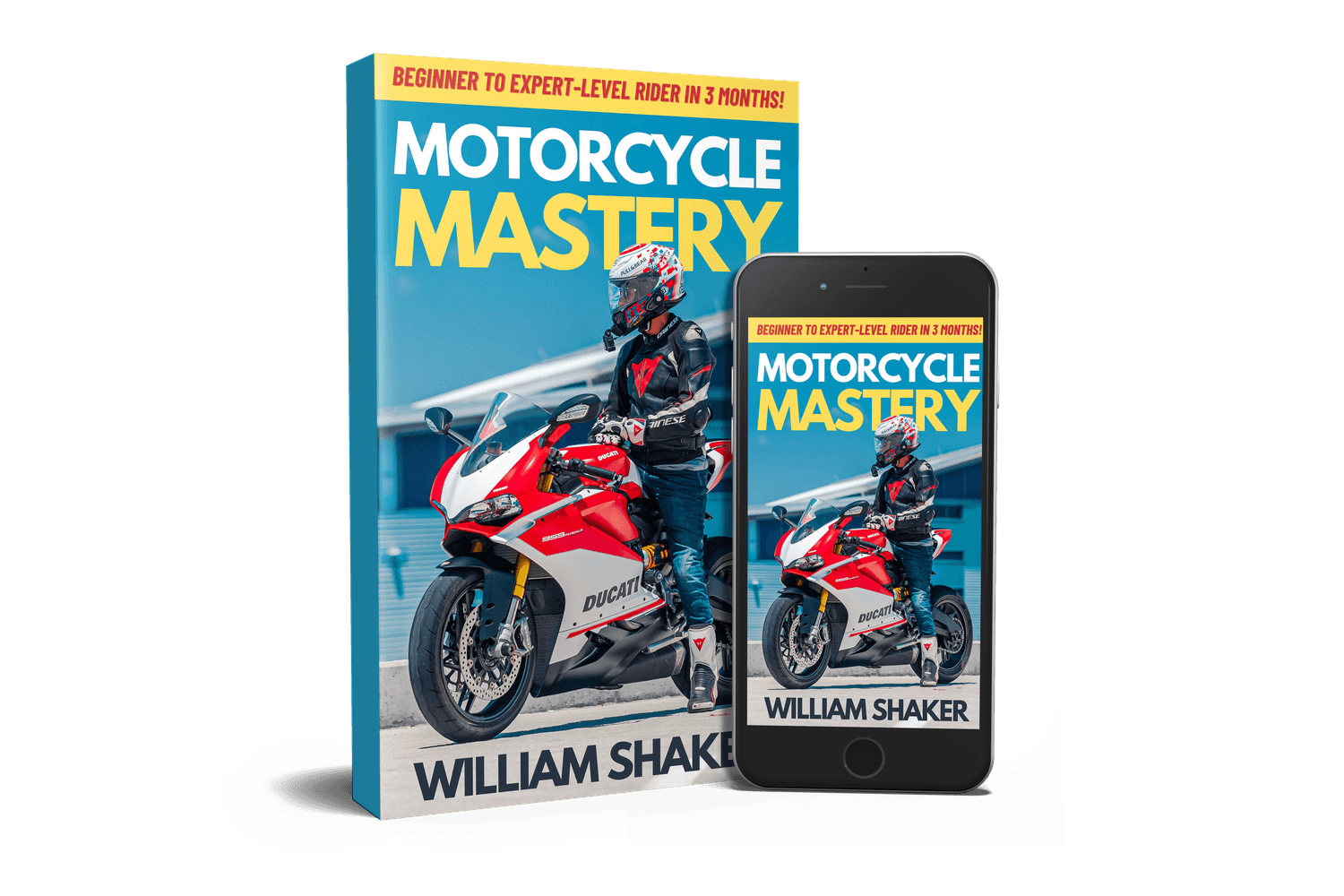
In the Motorcycle Mastery course, we take these skills to the next level with real-world drills and video breakdowns. If you're ready to transform your riding, hit the link below and get started.
👉 Check out Motorcycle Mastery
Stay smooth out there.
— Will

New to Motorcycling? Download This FREE Guide to Ride Confidently in 30 Days or Less!
Learn the exact techniques to ride smoother, safer, and more confidently—whether you’re a new rider or looking to refine your skills.
Ready to Ride with Total Confidence?
ABOUT
Motorcycle Mastery helps new riders build real skills, confidence, and safety on two wheels—on the street and beyond.
SUBSCRIBE
Created with © 2025 PetroHead


