
Beginner vs. Advanced Motorcycle Riders: What's the Real Difference?
When most people think about the difference between beginner and advanced motorcycle riders, they often assume it's all about speed or years of experience. However, the truth is much more nuanced. In this guide, we'll break down the five real differences that truly distinguish beginner riders from advanced ones and provide practical insights to help you level up your riding skills.
1. Control vs. Survival Mode
Beginners:
When you're new to riding, you're typically in survival mode—reacting to your bike rather than controlling it. Everything feels unpredictable, and even simple tasks can trigger anxiety and stress. Mistakes are frequent, and bad habits are easy to form without proper guidance.
Advanced Riders:
Advanced riders demonstrate precise control over their motorcycles. They master throttle management, braking precision, and smooth body positioning. Rather than reacting, advanced riders anticipate and guide their bikes smoothly and confidently.
How to Improve:
Practice deliberate throttle and braking control exercises in controlled environments, such as empty parking lots. Invest in structured training to replace survival habits with controlled, confident techniques.
2. Vision and Awareness
Beginners:
New riders often fixate directly in front of their bikes, making it difficult to anticipate hazards. Common mistakes include staring at obstacles or focusing too closely on the road surface, which can lead to drops and accidents.
Advanced Riders:
Experienced riders constantly scan ahead, identify potential risks early, and maintain broader situational awareness. They anticipate issues before they arise, allowing for smoother and safer reactions.
How to Improve:
Practice looking further down the road and developing peripheral vision. Regularly scan your mirrors and surroundings. Anticipating potential hazards long before they become immediate threats enhances your reaction times and overall safety.
3. Braking and Emergency Skills
Beginners:
In panic situations, beginners typically grab the brakes abruptly, leading to skids, drops, or late stops. Inexperience in emergency braking can lead to dangerous and potentially life-threatening situations.
Advanced Riders:
Advanced riders regularly practice emergency braking and trail braking. They smoothly apply both front and rear brakes, understanding precisely how much pressure is needed in different scenarios to maintain control.
How to Improve:
Conduct regular emergency braking drills in safe environments, progressively increasing your braking pressure and skill. Familiarize yourself with the nuances of your motorcycle's braking system at various speeds.
4. Lean Angle and Cornering Confidence
Beginners:
Many new riders are uncomfortable with leaning into corners and often hesitate, which can result in unstable turns or running wide. Leaning feels intimidating, and lack of trust in the motorcycle and tires is common.
Advanced Riders:
Advanced riders trust their motorcycles and tires implicitly, comfortably leaning into turns. They understand how body positioning and speed adjustments affect cornering dynamics, maintaining a smooth, controlled line.
How to Improve:
Practice cornering techniques in controlled environments or on safe, familiar roads. Gradually increase your lean angle and confidence through structured training sessions or track days, where experienced instructors can offer direct guidance.
5. Mindset and Commitment to Continuous Learning
Beginners:
New riders often believe that once they've mastered basic bike control, there's nothing more to learn. However, riding motorcycles demands ongoing education and practice, much more so than driving a car.
Advanced Riders:
Advanced riders recognize that motorcycling is a continual learning process. They proactively seek education, consistently practice advanced skills, and deliberately push their comfort zones, often through structured training and track days.
How to Improve:
Engage in continuous learning—take advanced riding courses, attend track days, read educational material, and regularly practice new skills. Always stay open-minded about your development, recognizing that skill mastery requires commitment and ongoing effort.
Why Education, Not Experience Alone, Defines Rider Skill
It's a common misconception that years of riding automatically equate to advanced skills. Many riders have years or even decades of experience yet lack fundamental advanced skills because they've never invested in structured education or training.
True advancement comes from structured learning, practice, and continual improvement—not simply from accumulating miles or owning powerful motorcycles. It's not the motorcycle size or power that determines rider skill; rather, it’s the education, commitment, and practical application of advanced riding techniques that genuinely set advanced riders apart from beginners.
Final Thoughts
Understanding these critical differences allows riders at any skill level to identify areas needing improvement and set actionable goals. Whether you're just starting your riding journey or seeking to elevate your skills further, committing to structured education and regular practice will significantly enhance your riding proficiency and safety.
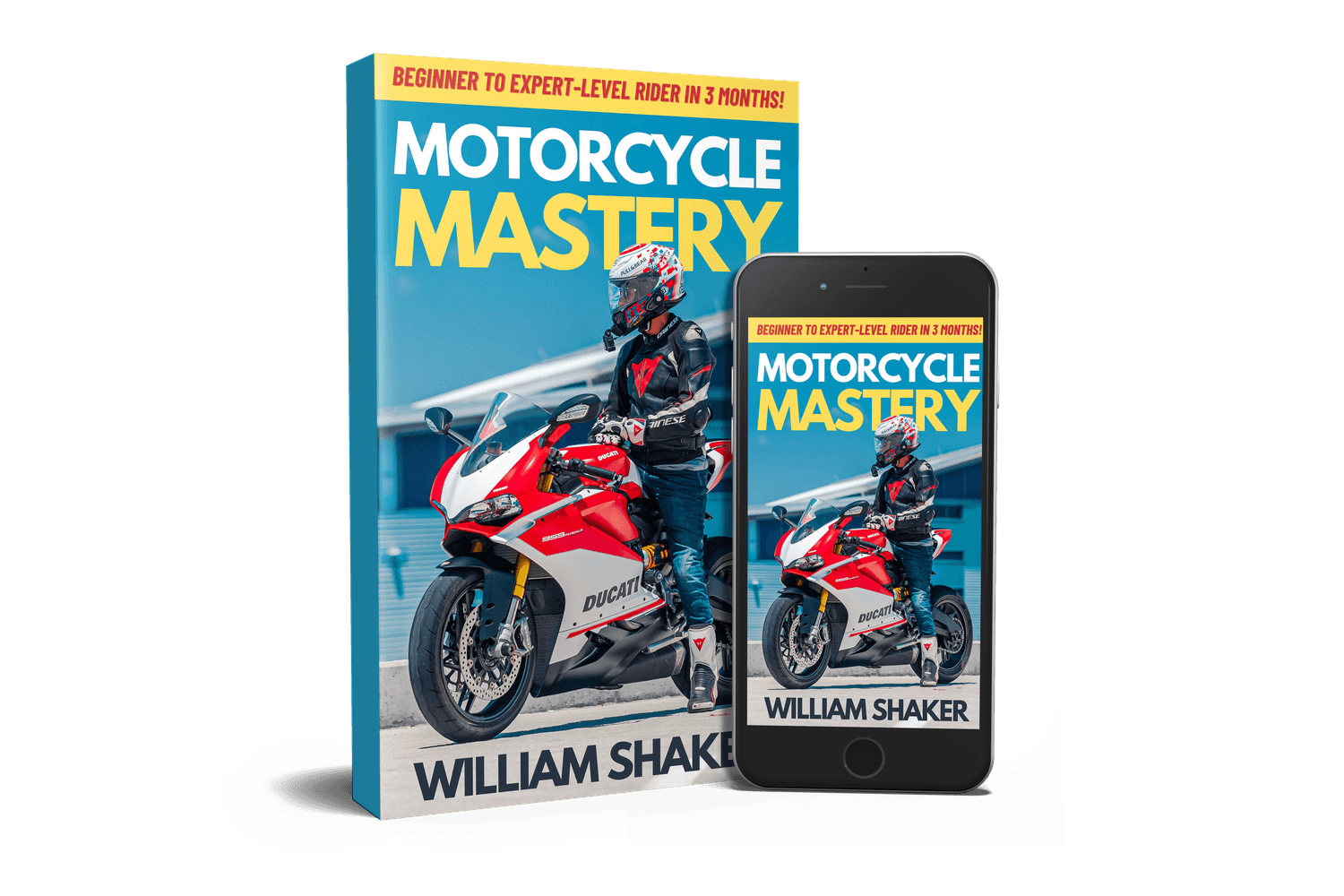
Ready to transition from beginner to confident, skilled rider? Check out our comprehensive Motorcycle Mastery Course and download our free Motorcycle Mastery Guide today.
What skill do you most want to improve next? Share your thoughts and questions in the comments below!

New to Motorcycling? Download This FREE Guide to Ride Confidently in 30 Days or Less!
Learn the exact techniques to ride smoother, safer, and more confidently—whether you’re a new rider or looking to refine your skills.
Ready to Ride with Total Confidence?
ABOUT
Motorcycle Mastery helps new riders build real skills, confidence, and safety on two wheels—on the street and beyond.
SUBSCRIBE
Created with © 2025 PetroHead


