
5 Surprisingly Common Motorcycle Mistakes (And How to Fix Them for Good)
Motorcycle riding is as rewarding as it is demanding. Whether you’re a newbie or you’ve logged years on two wheels, it’s surprisingly easy to develop habits that undermine your safety and control—often without realizing it. In this in-depth guide (expanded to help you fully understand each point), we’ll go deep into five critical mistakes many riders make, and, more importantly, how to fix them for good
1. Hovering Over the Clutch (and the Hidden Risks)
What’s Happening:
You’re keeping your hand on the clutch lever—perhaps just your fingertips—"in case" you need to shift or react.
This subtle pressure can cause clutch slippage, reducing power delivery and control.
Why It’s Dangerous:
In an emergency stop at highway speeds (70–90 mph), you might pull the clutch lever unintentionally instead of (or along with) the front brake. This disengages engine braking, a crucial ally in sudden braking scenarios.
Clutch slippage robs you of acceleration, which can be especially harmful in track situations or when overtaking.
How to Fix It:
Active Awareness: Spend a ride focusing solely on your left hand. Remind yourself to keep it relaxed, only pulling in the clutch when you actually need to shift.
Cover Only the Front Brake: Get accustomed to braking with one or two fingers—your index and/or middle finger—rather than hovering over the clutch. Muscle memory is key; practice emergency stops focusing on front-brake coverage alone.
Drills to Practice: Go to an empty parking lot and ride at moderate speeds (20–30 mph). Shift up and down frequently, returning your hand to a relaxed, neutral position on the left grip whenever you’re not actively shifting.
Pro Tip: If you find yourself habitually covering the clutch in traffic, remind yourself that engine braking is your friend. Let the engine help slow you, instead of instantly disengaging it with the clutch.
2. Failing to Look Where You Want to Go
What’s Happening:
You might be fixating on the road directly in front of you, or you’re distracted by roadside scenery.
In corners, you’re not turning your head to look through the exit of the turn.
Why It’s Dangerous:
Wherever you look, your motorcycle tends to follow—that’s Target Fixation 101.
Focusing on potential hazards (e.g., potholes) can make you steer directly into them.
Not looking far enough ahead reduces reaction time, potentially causing late corner entries or missed hazards.
How to Fix It:
Head-Turn Drills: In an empty or low-traffic area, pick an upcoming corner and consciously snap your head in the direction of your intended exit. Keep your peripheral vision on the rest of the environment, but your main focal point should be your destination.
Scanning Pattern: On straights, look far ahead to identify hazards early. Meanwhile, flick your eyes to your mirrors every 20–30 seconds to monitor your 6 o’clock.
Corner Visualization: Before entering a corner, visualize the line you want to take. Turn your head and eyes to look where that line leads. The bike will follow your gaze.
Pro Tip: If you ride in scenic areas, it’s tempting to admire the view. Do so sparingly. Scan it briefly, then refocus on the road. This helps you remain aware while still enjoying the ride.
3. Misusing Front and Rear Brakes
Many riders understand that the front brake provides the majority of stopping power. However, the nuances of when and how to use front vs. rear brakes is more complex.
Common Misconceptions:
“I should use the front brake for everything.”
“I only trust the rear brake.”
“Both brakes, all the time, no matter what.”
Why It’s Dangerous:
At low speeds (<15–20 mph), a sudden front brake pull—especially if your front wheel is turned—can upset the bike’s balance, leading to a dropped motorcycle.
At higher speeds (25+ mph), over-reliance on the rear brake compromises stopping distance. You simply can’t stop efficiently with only 20–30% of total braking power.
How to Fix It:
Speed-Based Brake Strategy:
Above 20 mph: Primarily front brake (70–80% of braking power), with rear brake assisting for stability.
Below 15 mph: Mostly rear brake. This keeps your bike stable, especially if the handlebars are turned slightly.
Emergency Brake Drills: Practice stops from 40–50 mph in a safe environment, focusing on smooth front brake application and then adding rear brake for extra stability. Familiarize yourself with how your motorcycle behaves under hard braking.
Slow-Speed Maneuvers: When stopping or maneuvering in parking lots or traffic crawls, rely on the rear brake for minor speed adjustments. Combined with slight clutch feathering, this prevents abrupt weight shifts to the front.
Pro Tip: If you ride in wet or slippery conditions, using both brakes in concert—while still emphasizing the front—can help maintain traction. Just apply smoothly to avoid lockups.
4. Neglecting Adequate Space Cushion
What’s Happening:
You follow the vehicle in front of you too closely, perhaps out of habit or frustration with slow traffic.
In congested areas, you fail to position yourself for an escape route.
Why It’s Dangerous:
With minimal distance, you have almost no time to react if the vehicle ahead slams on the brakes.
Sitting directly behind the car’s center line limits your visibility—and theirs.
If a rear vehicle is closing in too fast, you have no exit strategy.
How to Fix It:
The 2–3 Car Length Rule: Even at slower speeds, keep a buffer of at least two car lengths in front of you. At higher speeds, increase this distance.
Lane Positioning: If you’re in a single lane, choose a side (left or right tire track) that offers the best visibility and a clear escape path. This also makes you more visible in the driver’s side mirror.
360° Awareness: Regularly scan behind you for tailgaters. If someone’s too close, tap your brakes lightly to flash your brake lights, or shift lanes if it’s safe.
Pro Tip: In heavier traffic, anticipate stops early. Roll off the throttle sooner, and begin braking gradually to maintain a generous gap.
5. Jerky Throttle Control
The throttle (and how you use it) is the most direct way you affect your bike’s weight distribution—and poor throttle discipline leads to abrupt, sometimes dangerous shifts.
Why It Matters:
A jerky or "choppy" throttle can shift weight rapidly to the rear, causing an unintended wheelie or loss of front-end traction.
Suddenly rolling off the throttle mid-turn can load the front end too quickly, upsetting the bike’s balance and potentially causing a low-side crash.
How to Fix It:
Steady Inputs: Roll on and off the throttle smoothly. If you need to reduce speed in a corner, feather the brakes gently rather than chopping the throttle abruptly.
Practice on Empty Roads: At moderate speeds (around 30–40 mph), experiment with gradually rolling the throttle open and closed, focusing on smooth transitions.
Mindful Cornering: Enter corners at a reasonable speed. Maintain steady throttle through the apex. Avoid big throttle changes until the bike is nearly upright on corner exit.
Pro Tip: In performance riding, aim to carry just a bit of throttle through corners to keep the suspension evenly loaded. Choppy throttle transitions often cause the suspension to unload or overload unpredictably.
Putting It All Together
Correcting these five mistakes can instantly improve your control, confidence, and safety. Here’s a quick summary:
Clutch Control: Keep your hand off the clutch unless actively shifting.
Vision and Target Fixation: Always look where you want to go—turn your head and eyes through the corner.
Balanced Braking: Use the front brake at higher speeds; switch to rear brake emphasis below 15–20 mph.
Space Cushion: Give yourself—and everyone else—room. Position for a quick escape, and monitor your mirrors.
Smooth Throttle: Eliminate jerky inputs that disrupt your bike’s balance.
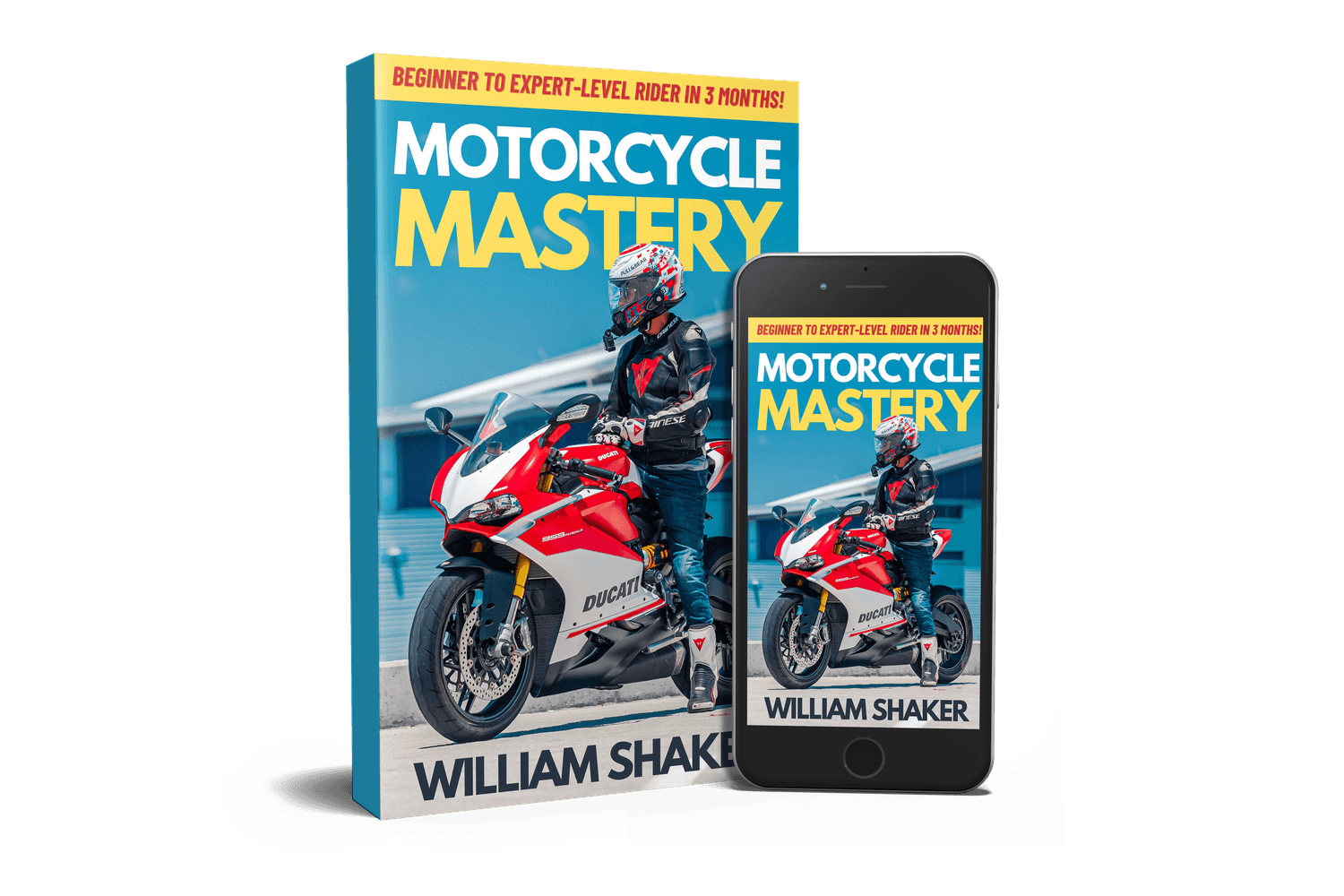
If you’re looking to go even deeper into these techniques—and master advanced skills such as street survival, track-style cornering, or emergency braking—my Motorcycle Mastery program is designed to give you step-by-step drills and expert insights. It includes 11 in-depth modules covering everything from slow-speed maneuvers to advanced riding strategies.
👉 Ready to Level Up?
Download the free Motorcycle Mastery Guide below and receive exclusive launch discounts. Then, transform your riding from “decent” to “expert” in record time.
Final Thoughts
Motorcycle riding is a dynamic dance between you, your machine, and the environment around you. Small tweaks to your technique—like adjusting how you brake at low speeds or focusing your vision through a corner—can produce a massive impact on your overall skill level.
When you consciously address these five mistakes, you’ll not only ride safer—you’ll also discover a new level of smoothness and confidence that makes every ride more enjoyable. Stay safe out there, and I’ll see you on the next episode!
Peace, Will

New to Motorcycling? Download This FREE Guide to Ride Confidently in 30 Days or Less!
Learn the exact techniques to ride smoother, safer, and more confidently—whether you’re a new rider or looking to refine your skills.
Ready to Ride with Total Confidence?
ABOUT
Motorcycle Mastery helps new riders build real skills, confidence, and safety on two wheels—on the street and beyond.
SUBSCRIBE
Created with © 2025 PetroHead


