5 Beginner Motorcycle Myths Debunked: What New Riders Really Need to Know
Learning to ride a motorcycle is exciting, but misinformation can steer new riders off track. In this comprehensive guide, we'll dive deep into five common myths beginner riders often encounter, providing detailed explanations and practical advice to ensure you're well-informed and safe on the road.
Myth #1: "You'll Quickly Outgrow a 400cc Bike"
Many beginners think they'll quickly become bored with a smaller motorcycle like a Ninja 400, believing they'll soon crave more power. While it’s true you can eventually outgrow any motorcycle, the truth is that smaller bikes teach critical riding skills much more effectively. Bikes like the Ninja 400 or Yamaha R3 encourage new riders to develop essential throttle control, braking precision, and cornering techniques. Riders who quickly become bored typically never challenge their skills beyond straight-line riding. Embracing a smaller motorcycle initially allows you to master foundational skills and grow your riding capabilities before safely upgrading to more powerful bikes.
Myth #2: "ABS Isn't Necessary if You Learn Proper Braking"
Some riders argue that mastering braking techniques makes Anti-lock Braking Systems (ABS) unnecessary. However, ABS is a crucial safety feature, especially beneficial for new riders. In panic braking situations—where most motorcycle accidents occur—ABS can dramatically reduce your chances of losing traction and crashing. While learning and practicing proper braking techniques is essential, ABS serves as a safety net, providing additional protection in unexpected emergencies. Think of ABS as affordable insurance, working alongside your skillset to enhance overall riding safety.
Myth #3: "You Need a Powerful Motorcycle for Highway Safety"
There's a common misconception that smaller motorcycles aren't safe or suitable for highway riding. The truth is, even motorcycles like the Ninja 400 can comfortably cruise at highway speeds of around 80 mph all day. Safety on highways comes down to your confidence, lane positioning, awareness, and street-survival skills, not just raw horsepower. High-performance motorcycles won’t protect you from mistakes or poor decisions. Developing your riding skills and situational awareness on a manageable motorcycle provides greater safety than relying purely on power.
Myth #4: "The MSF or CBT Course Is All You Need"
While Motorcycle Safety Foundation (MSF) or Compulsory Basic Training (CBT) courses provide valuable foundational skills, they are simply starting points for new riders. Many riders forget essential lessons soon after leaving these courses because they're not practiced consistently. Real-world riding often involves unpredictable traffic, road conditions, and hazards that basic courses can’t fully prepare you for. Advanced training programs, like my Motorcycle Mastery course, bridge this gap by teaching practical skills for highway riding, street survival strategies, and even advanced techniques for track riding. Continuing education beyond initial certification is crucial for becoming a skilled and confident rider.
Myth #5: "Buying a Used Bike Is Too Risky"
A popular myth among new riders is that buying a used motorcycle is risky and unreliable. On the contrary, buying a quality used bike, like a Ninja 400 or Yamaha R3 with moderate mileage, is often the smartest financial decision. Statistics show new riders are likely to drop or even crash their motorcycles within the first few months. A used bike significantly reduces the financial impact of these inevitable beginner mishaps. Additionally, with proper maintenance and care, used motorcycles typically retain their value well. After gaining experience, you can resell your used motorcycle at minimal loss or even at the original purchase price, allowing for an easy transition to more advanced models.
Bonus Insight: The Problem with Starting on Big Bikes
In many regions, including the U.S., it's legal for new riders to start with any motorcycle, regardless of power or displacement. However, starting on powerful motorcycles such as 600cc supersports or liter bikes poses significant challenges for beginners. These motorcycles feature aggressive throttle responses, immense horsepower, and are highly demanding both physically and mentally. Comparatively, riding a liter bike is akin to handling supercar-level performance—something beginners typically aren't prepared for. Riding these bikes effectively requires significant riding experience, advanced skills, and considerable physical endurance.
Practical Advice for New Riders
When choosing your first motorcycle, prioritize skill-building, rider safety, and gradual progression rather than succumbing to peer pressure or seeking instant thrills. Begin with a motorcycle that aligns with your skill level and allows safe skill progression. Invest in ongoing rider education beyond basic courses, consistently practice riding drills, emergency braking, and slow-speed maneuvers. Focus on becoming proficient at controlling your bike confidently under various conditions before upgrading to a more powerful motorcycle.
Final Thoughts
Understanding and debunking common motorcycle myths empowers new riders to make informed, safe, and confident decisions. Riding a motorcycle is an immensely rewarding experience when approached with patience, respect, and continuous learning.
Which myth resonated with you the most? Share your thoughts or questions below.
For detailed motorcycle training and resources, explore our Motorcycle Mastery Guide and Course today.

New to Motorcycling? Download This FREE Guide to Ride Confidently in 30 Days or Less!
Learn the exact techniques to ride smoother, safer, and more confidently—whether you’re a new rider or looking to refine your skills.
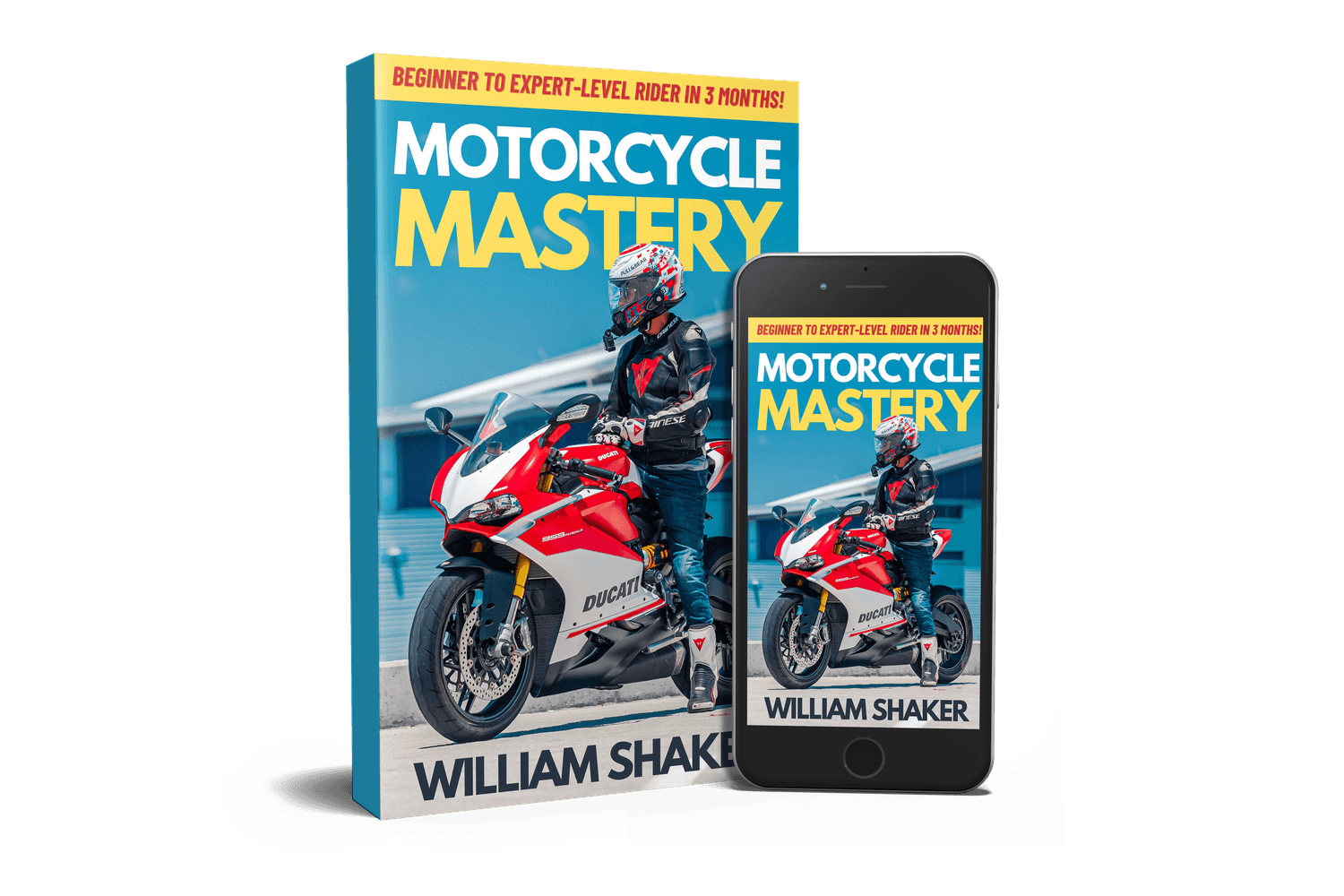
Ready to Ride with Total Confidence?
ABOUT
Motorcycle Mastery helps new riders build real skills, confidence, and safety on two wheels—on the street and beyond.
SUBSCRIBE
Created with © 2025 PetroHead


