
How to Comfortably and Safely Ride a Sport Bike: Essential Techniques for Beginners
Riding a sport bike can be thrilling but also intimidating, especially for beginners. While modern sport bikes have improved ergonomics compared to previous generations, the aggressive posture and handling dynamics still present unique challenges. In this comprehensive guide, I'll show you exactly how to ride a sport bike comfortably, confidently, and safely—covering posture, braking, slow-speed control, and more.
Understanding Sport Bike Ergonomics
Today's sport bikes, like the ZX6R, GSXR series, or Ducati Panigale V2, position the rider aggressively. The handlebars sit lower relative to the seat, and foot pegs are typically higher, putting riders into what's commonly called a "pretzel position." While newer models like the Yamaha R9 offer slightly improved ergonomics, mastering your posture remains essential.
Proper Riding Posture
Correct posture dramatically impacts comfort, control, and safety. Here's how to position yourself properly on a sport bike:
Elbows and Shoulders: Keep your elbows slightly bent—not fully extended—to maintain flexibility. Relax your shoulders rather than keeping them stiff and tense.
Grip Pressure: Avoid gripping the handlebars tightly (the "death grip"). Imagine you're gently holding a baby chick to avoid unnecessary tension.
Core Strength: Engage your core muscles to support your upper body, reducing weight and strain on your arms and wrists. Regular stretching and core exercises can significantly improve riding comfort.
Seating and Foot Position
Foot Placement: Position the balls of your feet on the foot pegs to improve control and maneuverability.
Stopping Posture: At stops, keep your left foot on the ground and your right foot on the rear brake peg for stability. If height allows, flat-footing both feet provides maximum balance.
Managing Muscle Fatigue
In the initial stages of riding, muscle fatigue is common. Riding a sport bike activates muscles you may rarely use in daily life.
Expect Initial Soreness: Slight muscle fatigue is normal when you first start riding. This typically subsides after consistent riding over one to two weeks.
Preventing Pain: Regular stretching and light exercise routines before riding can significantly reduce persistent discomfort.
Essential Braking Techniques
Sport bikes typically feature powerful dual front disc brakes (usually around 300 mm each) and a single rear disc brake (around 200-220 mm). Proper braking is crucial:
Front vs. Rear Braking: Above 20 mph, use primarily your front brakes, as they provide 70-80% of stopping power. Below 20 mph, smoothly transition to using your rear brake for stability.
Smooth Stops: Abrupt front braking at slow speeds can cause weight shifts leading to drops. Gradually apply your rear brake when slowing down below 15 mph to ensure smooth, stable stops.
Slow-Speed Maneuvering and the "Slow Race
Low-speed handling is often tricky on sport bikes due to aggressive positioning.
Slow Race Drill: Practice balancing your motorcycle at near-idle speeds without using throttle inputs. Control your speed using the clutch friction zone, balancing by gently steering left and right.
Regular Practice: Consistently performing slow-speed drills in a parking lot dramatically improves your comfort and control, preventing common mistakes like dropping the bike during stops or tight maneuvers.
Steering and Counter Steering
Sport bikes rely heavily on counter steering at speeds above approximately 15 mph:
How Counter Steering Works: Push left to lean left and turn left; push right to lean and turn right. Practice gently counter steering at various speeds to get comfortable with how your bike responds.
Below 15 mph: At very low speeds, steering is more direct. Practice turning your handlebars deliberately for slow, controlled maneuvers.
Common Mistakes to Avoid
Overly Tight Grip: Excessive grip pressure transfers tension throughout your body, reducing control and increasing fatigue.
Incorrect Braking: Using predominantly rear brakes at high speeds reduces braking efficiency, while excessive front braking at slow speeds destabilizes your bike.
Poor Posture: Riding stiffly with locked arms or tense shoulders drastically affects comfort and handling.
Practical Steps to Sport Bike Mastery
Practice Regularly: Spend time regularly performing low-speed drills to improve clutch, throttle, and balance control.
Prioritize Comfort: Develop good riding habits, maintain proper posture, and condition your body to handle the aggressive ergonomics.
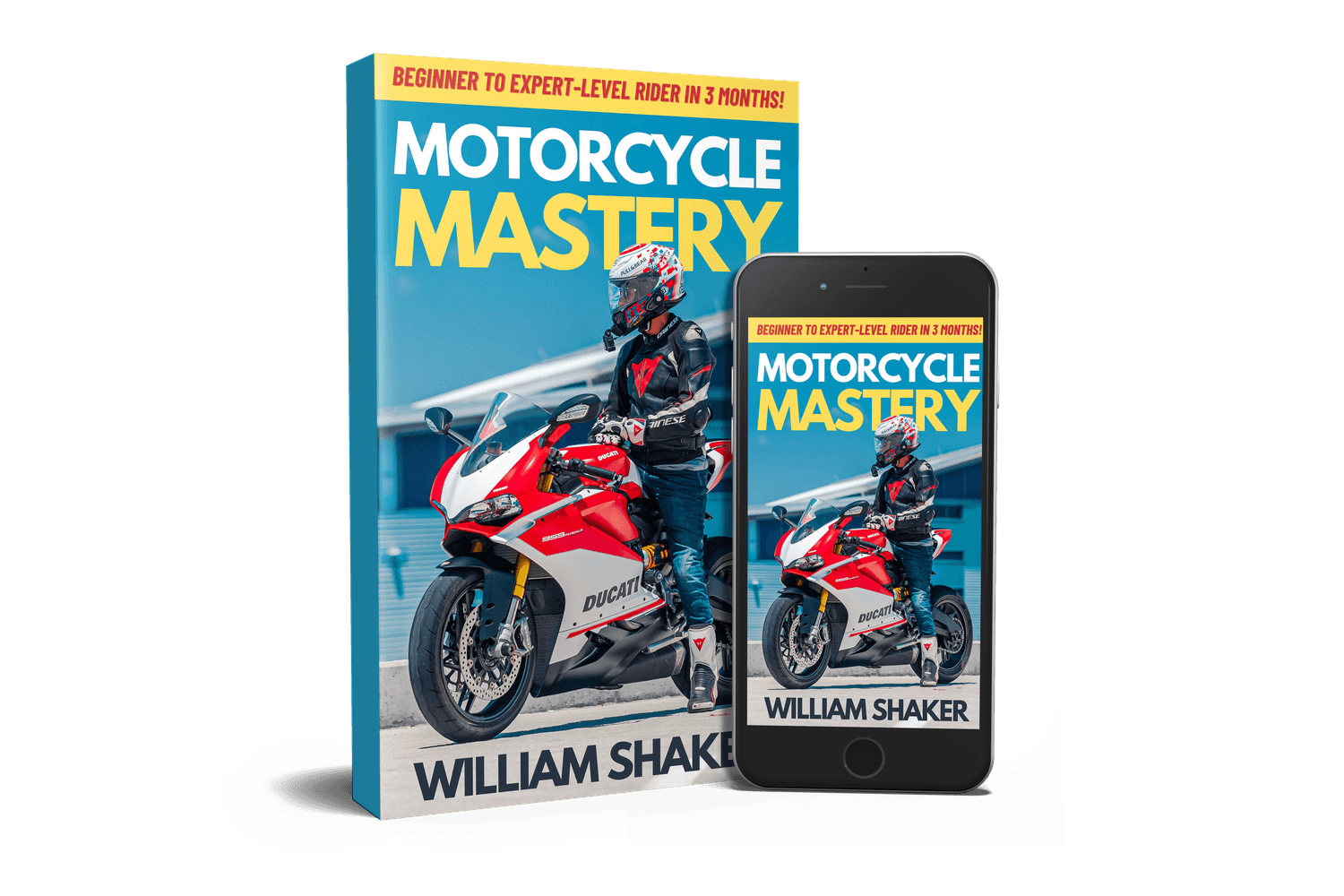
Learn and Adapt: Use structured programs or courses like Motorcycle Mastery to systematically develop and refine your riding skills.
Final Thoughts: Comfort, Control, and Confidence
Mastering sport bike riding doesn't have to be difficult or uncomfortable. By focusing on proper posture, efficient braking, low-speed maneuvering, and regular practice, you'll become a skilled, confident, and comfortable rider in no time. Sport bike riding, done correctly, is exhilarating and enjoyable—without unnecessary discomfort or safety risks.
Ready to enhance your riding further? Motorcycle Mastery offers structured, detailed drills and guidance designed specifically to help you ride confidently and safely. Check out the link below to elevate your riding skills today.
Have any questions about sport bike riding techniques? Drop them in the comments below

New to Motorcycling? Download This FREE Guide to Ride Confidently in 30 Days or Less!
Learn the exact techniques to ride smoother, safer, and more confidently—whether you’re a new rider or looking to refine your skills.
Ready to Ride with Total Confidence?
ABOUT
Motorcycle Mastery helps new riders build real skills, confidence, and safety on two wheels—on the street and beyond.
SUBSCRIBE
Created with © 2025 PetroHead


