How to Become an Advanced Motorcycle Rider in Under 12 Months: A Step-by-Step Guide
Many riders believe that becoming advanced requires years of riding experience or exceptional talent. The truth is, with the right approach, you can become an advanced motorcycle rider in less than a year. I'm Will, founder of Motorcycle Mastery, and just over five years ago, I went from beginner rider to participating in advanced track-day groups within 12 months. Here's exactly how I did it and how you can replicate my journey.
Step 1: Master the Basics
Before you can ride fast and skillfully, you must first learn how to ride slowly and confidently. Basic motorcycle control at low speeds sets the foundation for advanced riding.
Why Basics Matter:
If you can't control your bike smoothly at 5 mph, you certainly won’t control it at higher speeds safely. Focusing on clutch control, throttle smoothness, braking precision, and balance at slow speeds is crucial.
Practical Tips:
Spend time in empty parking lots performing slow-speed maneuvers.
Master essential skills such as emergency braking, figure-eight turns, and slow-riding balance.
Step 2: Commit to Structured Training
Formal motorcycle training courses are critical to advancing your skills rapidly.
Training Essentials:
Begin with an MSF course (in the U.S.) or CBT course (in other countries) to establish core skills.
Continue beyond basic certification—most riders neglect ongoing training, resulting in bad habits.
In my first year alone, I completed more than 12 courses and read extensively about advanced riding techniques. These courses rapidly accelerated my skills and confidence.
Recommended Courses:
SoCal Supermoto (California)
American Supercamp
Advanced rider training programs (Levels 1-3)
Regular structured training prevents skill stagnation and significantly reduces your learning curve.
Step 3: Start Track Riding Early
Nothing improves your riding skills faster than hitting the track, and the sooner you start, the better.
Benefits of Track Riding:
Controlled, safe environment free from regular street hazards.
High repetition of cornering, braking, and accelerating skills.
Immediate feedback from professional instructors and experienced riders.
I began attending track days one month after receiving my motorcycle license. Early track riding transformed my ability rapidly.
Affordable Track Option:
Kart tracks cost around $50 and offer numerous tight corners in quick succession, improving skill significantly.
You’ll rapidly develop clutch, throttle, and braking precision.
Step 4: Correct Bad Habits Early
Riders who learn alone often develop poor habits without realizing it, which later become difficult to correct.
Common Bad Habits:
Improper braking techniques, especially at slow speeds.
Poor visual discipline and inadequate scanning.
Erratic throttle control causing unstable riding.
Structured courses and professional guidance help correct these habits early, preventing costly mistakes or accidents later on.
Step 5: Start on the Right Motorcycle
Choosing the right motorcycle is essential for skill progression. Many new riders mistakenly buy powerful bikes based on poor advice, hindering their skill development.
Recommended Beginner Motorcycles:
KTM RC390
Yamaha R3
Ninja 400
Starting with a 300-400cc motorcycle allows you to confidently explore the bike’s limits, build foundational skills, and learn proper technique. Buying a used motorcycle for your first bike is both financially smart and practical for skill-building.
Step 6: Ride Many Different Motorcycles
Experience riding multiple motorcycles early in your riding career.
Why It Helps:
Adapting to different motorcycles improves your versatility, comfort, and skill.
Riding different types and sizes helps you become comfortable with varied handling characteristics, weight distribution, and throttle response.
Take advantage of test rides offered by dealerships or exchanges with fellow riders. Variety enhances adaptability and accelerates skill development.
Step 7: Practice Regularly
Consistent practice is non-negotiable if you wish to rapidly advance your riding skills.
Effective Practice Techniques:
Regularly schedule track days and structured practice sessions.
Spend at least 15 minutes a few times per week practicing emergency braking, tight turns, and slow-speed drills.
This consistent practice reinforces your skills, building muscle memory and instinctive reactions.
Step 8: Embrace Continuous Education
The biggest difference between average riders and advanced riders is their commitment to ongoing learning.
Continuous Learning:
Regularly attend advanced riding courses.
Read widely on motorcycle technique and theory.
Actively seek feedback from experienced riders and instructors.
Continuous learning is essential—experience alone isn't enough.
Final Thoughts: Achieving Expert Riding Quickly
Rapid advancement in riding skill is achievable for any dedicated rider. The journey from beginner to advanced is less about natural talent and more about consistent practice, structured learning, and proactive engagement in educational opportunities. By following these detailed steps, you'll be surprised how quickly your skills progress.
Ready to elevate your riding skills further? Check out my comprehensive Motorcycle Mastery Program—a structured, methodical approach to becoming an advanced rider efficiently and safely.
What step are you most excited to start with? Share your thoughts and riding goals below!

New to Motorcycling? Download This FREE Guide to Ride Confidently in 30 Days or Less!
Learn the exact techniques to ride smoother, safer, and more confidently—whether you’re a new rider or looking to refine your skills.
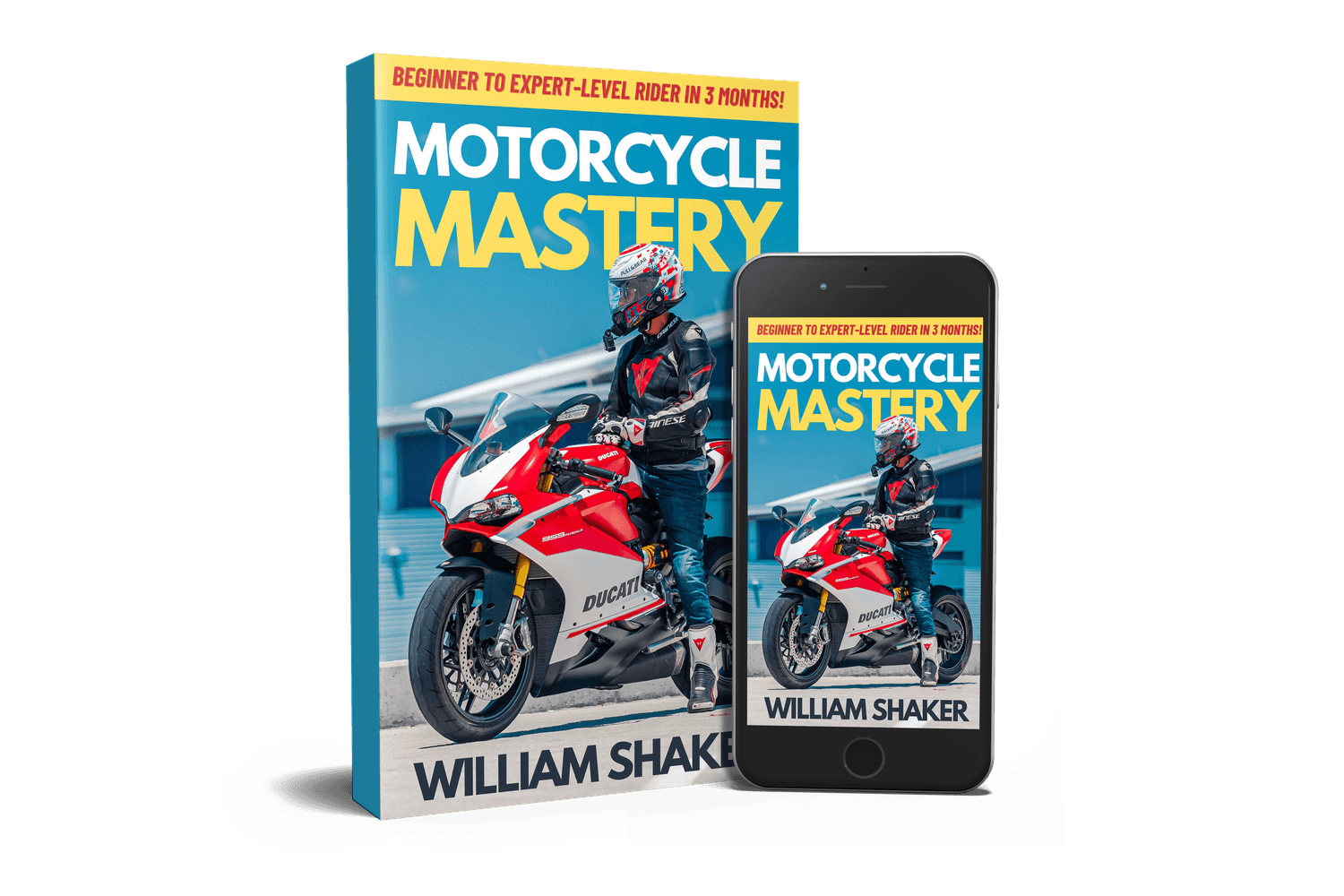
Ready to Ride with Total Confidence?
ABOUT
Motorcycle Mastery helps new riders build real skills, confidence, and safety on two wheels—on the street and beyond.
SUBSCRIBE
Created with © 2025 PetroHead


